
Monster Truck Event Safety Tips (Especially for Kids)

Updated: May 8
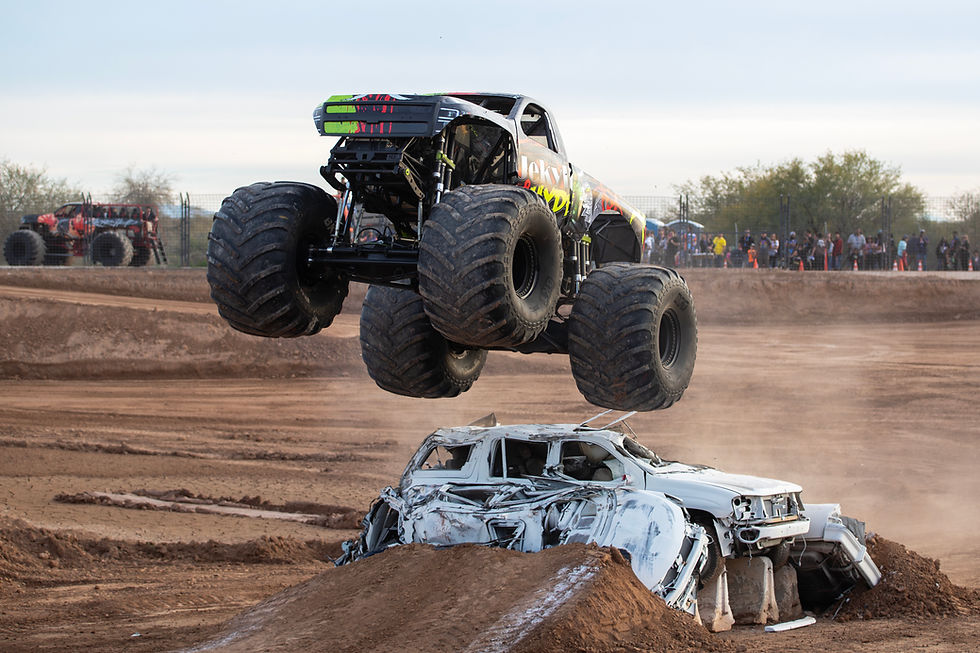
Watching a twelve-thousand-pound machine defy gravity is an experience few children ever forget. The sheer scale of the trucks, the smell of methanol, and the dirt-spraying donuts create a high-octane atmosphere unlike any other sporting event. However, the same elements that make these shows exciting - massive power, extreme noise, and flying debris - also require a solid plan for safety.

For families planning a trip to the arena, preparation is the difference between a thrilling afternoon and a sensory-overload meltdown. This Family guide to monster truck shows outlines the essential monster truck event safety protocols to ensure the focus remains on the action in the dirt.
1. Hearing Protection: The Non-Negotiable
The single most important safety factor at any motorized event is noise control. A monster truck engine can roar at levels exceeding 120 decibels. To put that in perspective, any sound over 85 decibels can cause permanent hearing damage with prolonged exposure. For a child’s developing ears, the risk is even higher.
Choosing the Right Gear
When looking for monster truck show headphones for kids, quality matters more than color or branding.
NRR Ratings: Always check the Noise Reduction Rating (NRR). For high-decibel events, a rating of 25dB to 31dB is ideal.
Fit and Comfort: Unlike standard music headphones, monster truck show ear protection needs to create a complete seal around the ear. If there are gaps, the sound waves will still penetrate.
The "Plug and Muff" Method: For children with sensory sensitivities, many experts recommend "doubling up." Use soft foam earplugs inside the ear canal, covered by high-quality earmuffs. This significantly reduces the "rumble" that can be felt in the inner ear.
2. Strategic Seating and Spectator Safety
The "best seat in the house" at a monster truck rally isn't necessarily the one closest to the floor. Modern monster truck show spectator safety is designed around a buffer zone, but physics still plays a role in where families should sit.
The Safety Buffer: Most venues intentionally leave the first several rows empty. This is to protect fans from "track spray"—the dirt, rocks, and occasional pieces of tire tread that can fly off a truck during a high-speed spin.
The "Sweet Spot": Aim for seats in the middle or upper tiers. Sitting higher up provides a better vantage point for the stunts and, more importantly, places more distance between the children and the loudest exhaust ports.
Proximity to Exits: For parents of younger children, aisle seats near the concourse exits are a tactical advantage. If the noise becomes too intense or a child needs a sensory break, being able to exit quickly without navigating a crowded row reduces stress for everyone.
3. What to Wear to a Monster Truck Show
Determining what to wear to a monster truck show requires a balance of comfort and protection. These events are notorious for dust and fluctuating temperatures.
Closed-Toe Footwear: The environment is industrial. Between concrete stairs, crowded ramps, and the dirt-covered floors of the "Pit Party," sneakers or boots are a requirement. Sandals or flip-flops offer no protection against stubbed toes or grime.
Light Layers: Even in the middle of summer, indoor arenas use massive ventilation systems to clear exhaust fumes. This can create a constant, chilly draft. Bringing a light jacket or hoodie ensures children stay comfortable throughout the two-hour event.
Eye Protection: While not always necessary, some parents opt for clear safety glasses or sunglasses for their children, especially if they are sitting in lower sections where dust can be kicked up during the freestyle segments.
4. Navigating the Pit Party Safely
The Pit Party offers fans a chance to walk the track and see the trucks up close. While it is a highlight for many, it is essentially a working garage area.
Stay Within the Lines: Always respect the barricades. These trucks are massive fiberglass shells that can have jagged edges after a stunt.
Chemical Awareness: The smell of methanol and cleaning agents can be strong in the pit. It is best to keep this portion of the visit brief if a child has respiratory sensitivities.
5. Air Quality and Fumes
Monster trucks run on methanol, which is a high-alcohol fuel. While it burns cleaner than gasoline, it still produces a distinct odor and exhaust. In an indoor setting, the air can become heavy with these fumes toward the end of the freestyle segment. Sitting higher up helps, as the heavy ventilation systems are designed to pull air upward and out of the arena.
Conclusion
At the end of the day, a monster truck show is one of those rare, "core memory" events for a child. There is nothing like the look on their face when they see a massive truck fly through the air for the first time. However, the difference between a great family memory and a stressful night out comes down to preparation.
By following this Family guide to monster truck shows, you can handle the chaos like a pro. Prioritize high-quality monster truck show ear protection, choose seats that give you a little breathing room, and don't be afraid to take breaks if the noise gets intense. When you have a solid plan for monster truck event safety, you can stop worrying about the "what-ifs" and start enjoying the roar of the engines right alongside your kids.
Pack the headphones, wear your comfortable shoes, and get ready for a high-octane adventure that your family will be talking about for years to come.
FAQs
Is it safe to bring a toddler to a monster truck show?
Yes, it is safe as long as they wear child-specific, high-NRR ear protection. However, many parents find that children under the age of 3 or 4 may be frightened by the vibrations and the sheer volume of the crowd.
How loud is a monster truck show exactly?
The noise levels consistently hover between 100 and 120 decibels. Without ear protection, this can cause ear pain and damage within minutes. With proper earmuffs, the sound is muffled to a level similar to a loud television.
Do I need to buy ear protection at the venue?
Venues offer earmuffs for sale. You can also bring your own.
What should I bring in my "go-bag"?
Pack wet wipes (for the arena dust), a backup pair of earplugs, and a small "distraction" toy for intermissions. Check the stadium's clear-bag policy before heading out, as most venues now have strict security requirements.
Are outdoor shows safer than indoor shows?
Outdoor shows are generally better for noise dissipation and air quality. If a family member is particularly sensitive to loud noises or smells, an outdoor event is the better choice.
Author: Sinjan Gergick

Sinjan leads Engineering and Operations for a major monster truck team, where he’s spent more than a decade turning a small racing outfit into a fully built-out operation with world-class trucks and in-house production. He’s at his best when he’s solving hard problems and turning ideas into products that actually work. Off the clock, he’s with his wife and kids, keeping life grounded and the creativity charged.


On peut observer que le raisonnement ne dépasse pas les faits disponibles. Le raisonnement est clair et bien fondé. Le site web développe les dimensions structurelles de la question. La segmentation comportementale est éclairée par des analyses d'utilisation au niveau des plateformes.